If you’ve ever worked in the chemical industry, you know that packaging isn’t just a box or a drum—it’s the first line of defense for both the product inside and the people and environments around it. For over a decade, I’ve run a small chemical packaging supply business, and I’ve lost count of how many times a client has leaned across a conference table and asked the same question: “Can this stuff even be reused?” Chemical Packaging
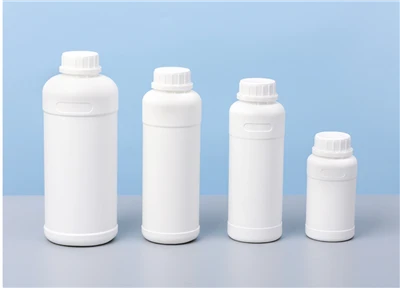
It’s a fair question. The global push for circular economy principles has put every industry under pressure to cut waste, reduce carbon footprints, and stop treating single-use materials as disposable. For chemical packaging, though, the stakes feel higher than for, say, a plastic food bottle. We’re dealing with corrosive acids, flammable solvents, toxic heavy metals, and reactive compounds—materials that can pose serious safety risks if they’re not handled and cleaned correctly. For years, the standard narrative in our space has been that chemical packaging is single-use, designed for one trip from manufacturer to end user, then discarded. But lately, more clients are reaching out not just to ask if it can be reused, but to build programs around it. And here’s the thing: the answer isn’t a simple “yes” or “no.” It depends on what’s inside the package, the material it’s made from, how it’s cleaned, and what we’re putting in it next.
Let’s start with the basics. Not all chemical packaging is created equal. I remember a client in the specialty agricultural chemicals industry who tried reusing a steel drum for a herbicide a few years back, and ended up with a cross-contamination issue that shut down their entire production line for three days. The problem? That drum had held a strongly acidic insecticide the previous time, and even after a power wash, microscopic residues remained on the steel interior. When they added the new herbicide, a base compound, those residues reacted to form an unstable salt that corroded the drum and rendered the entire batch of product unfit for sale. That story stuck with me, because it’s a perfect example of how chemical properties can derail reuse before it even starts.
Steel drums, for example, are one of the most commonly reused chemical packaging types, but only for specific applications. They’re durable, relatively easy to inspect, and compatible with a range of non-reactive chemicals. But for corrosive materials like hydrochloric acid or sodium hydroxide, a steel drum’s interior coating has to be carefully matched to the product. If that coating is damaged—even by a small scratch during transit—reusing that drum becomes a safety hazard. We recently had a client with a chemical plant that produces industrial solvents; they run a closed-loop drum program where every drum that returns to our facility is inspected for dents, coating integrity, and label residue. Any drum that passes that check goes through a two-step cleaning process: first, a high-temperature caustic wash to dissolve and break down residue, then a neutralizing rinse and a pressure test to confirm it’s leak-proof. We test for pH levels and cross-contamination with swabs, too—so if a drum ever had a product that’s incompatible with its next intended use, we flag it immediately. For this client, reusing drums cuts their packaging costs by nearly 40% each year, and they’ve reduced their landfill waste from packaging by 90%. That’s not a hypothetical—it’s a real program we’ve been supporting for five years.
Plastic chemical packaging, on the other hand, has a mixed track record for reuse. High-density polyethylene (HDPE) containers, which are common for non-corrosive, non-reactive chemicals like lubricants or water-based cleaning agents, can be reused, but they have their limits. UV exposure can make plastic brittle over time, and some chemicals can leach into the plastic’s pores, making it unsafe for reuse even after cleaning. I once had a client that tried reusing 5-gallon HDPE pails for storing paint thinners, only to find that after three cycles, the pails had absorbed small amounts of the thinner’s aromatic compounds, which then tainted the new paint they were storing in them. The takeaway here is that plastic chemical packaging isn’t as easily cleaned as steel, and each material grade is tailored for specific products. Reusing HDPE for a different chemical than it was originally meant for? Almost always a bad idea. That said, for matching-product reuse—using a pail that held xylene again for xylene, for example—HDPE can be a reliable option, as long as it’s inspected for cracks and cleaned properly.
Then there’s the question of regulatory compliance, which is non-negotiable for chemical packaging. No matter how well a container is cleaned, if it doesn’t meet OSHA, EPA, or international transportation standards for the chemicals it will hold, it can’t be reused. A few years ago, we worked with a biotech startup that was developing a new non-toxic fermentation medium. They wanted to reuse their 55-gallon drums to reduce costs, so they sent samples of their cleaning process to our lab for testing. Turns out, their cleaning method only removed 92% of the residue, which was below the 99.9% threshold required by EPA guidelines for intermediate bulk containers (IBCs) that hold food-safe and pharmaceutical-grade chemicals. We helped them adjust their cleaning protocol to include a third rinse and a residue swab test, so they could meet compliance standards. Now that startup runs a fully compliant drum reuse program that’s saved them tens of thousands of dollars in a year.
Of course, not all chemical packaging is suited for reuse at all. Single-use, disposable packaging—like thin plastic bags for lab chemicals, or small cardboard containers for reactive powders—isn’t designed to be cleaned or reused. For these, there’s still room to improve sustainability, but that’s a different conversation than reuse. For packaging that is designed for multiple trips, like steel drums, IBCs, or rigid plastic containers, the key is to treat each piece as a valuable asset, not a one-time expense.
I think part of the confusion around chemical packaging reuse comes from the food and beverage industry, where single-use plastic bottles are often reused, but those processes are very different. Food packaging is held to strict cleanliness standards, but chemical packaging has to account for reactivity and toxicity in a way that food packaging doesn’t. You can’t just wash a drum that once held hydrochloric acid and use it for fertilizer, for example—the residues left behind could kill plants, contaminate soil, and harm wildlife. That’s why we have to be so intentional about what a container held, what it will hold next, and how we clean it.
In recent years, I’ve seen more large chemical manufacturers invest in in-house packaging reuse programs, which makes sense for their bottom line and their sustainability goals. But small and mid-sized clients often don’t have the space, staff, or lab equipment to run their own inspection and cleaning processes. That’s where a packaging supplier like us comes in. We offer turnkey reuse programs: when a client’s empty drums or containers come back to us, we handle all the inspection, cleaning, testing, and certification, so their team doesn’t have to worry about safety or compliance. We also keep detailed logs of every container’s history—what chemical it held, when it was cleaned, what it’s approved for next—so clients can track their own waste and reduction metrics easily.
One client that stands out is a manufacturing plant in the Midwest that produces industrial lubricants. They used to buy 1,000 new steel drums every month, at a cost of around $12 each, plus $5 per drum for disposal. After switching to our reuse program, they only buy 200 new drums a month—our team reconditions the remaining 800, tests them, and certifies them for use. Now their monthly packaging costs are down to $3,200 total, a reduction of nearly 60%. They’ve also cut their carbon footprint from packaging by over 700 tons a year, because we’re not producing new steel drums for their products, and we’re not sending 9,600 drums to landfills annually. That’s the kind of win-win that makes all the work worth it.
I know there are still skeptics out there. Some safety officers I’ve talked to say the risk of cross-contamination or corrosion isn’t worth the savings. And I get that—one mistake with chemical packaging can lead to serious injury, fines, or product loss. But when done correctly, with proper testing, inspection, and compliance checks, chemical packaging reuse is not only possible, it’s responsible. It reduces waste, cuts costs, and lowers the environmental impact of the chemical industry, which is a sector that’s long been under scrutiny for its carbon footprint.
At the end of the day, the answer to “Can chemical packaging be reused?” is: when done right, absolutely. It requires care, investment in processes, and attention to safety and regulation, but it’s far from impossible. For too long, the industry has treated packaging as a throwaway, one-and-done component. We’re changing that, one drum, one pail, one IBC at a time.
If you’re looking to explore how packaging reuse could work for your chemical operations, whether you’re a small specialty chemical producer or a large manufacturing plant, we’re here to help. We work with clients of all sizes to design custom reuse programs that meet their safety standards, compliance needs, and sustainability goals. Reach out to our team today to start a conversation about reducing your packaging waste and cutting your operational costs.
Pump Dispenser References
- U.S. Environmental Protection Agency. (2022). Sustainable Management of Chemical Packaging. EPA Office of Chemical Safety and Pollution Prevention.
- Occupational Safety and Health Administration. (2021). Standards for Reusable Industrial Containers. OSHA 29 CFR 1910.
- Global Chemical Industries Association. (2023). Circular Economy Practices for Chemical Packaging: A Global Guide. GCIA Publications.
- National Fire Protection Association. (2022). Code for Storage and Handling of Hazardous Materials. NFPA 400.
- European Chemical Agency. (2023). Reusable Packaging Guidelines for Hazardous Substances. ECHA Guidance Series.
Jiangsu Welljoin Plastic Co., Ltd.
As one of the most professional chemical packaging manufacturers and suppliers in China, our products have good reputation in the market. Please rest assured to wholesale bulk premium chemical packaging from our factory. Good service and quality products are available.
Address: No.6 Chuangye Road, Xuanbao Industrial Park, Taixing, Jiangsu, P.R. China
E-mail: paul@welljoin.com.cn
WebSite: https://www.welljoin-pack.com/
