Hey everyone,
I’m Jake, owner of a small duffel bag brand—we’ve been around for 7 years, and trust me, I get the endless side-eye when I tell people my job isn’t just “sewing fabric into bags.” Half the time, customers message me like I’m some kind of supply whisperer, asking, “Are duffel bags even available in eco-friendly materials?” Duffel Bag

Let’s cut to the chase: For a long time, the answer was a hesitant yes—but the options were garbage. Think flimsy, scratchy recycled plastic that frayed after two uses, or hemp that felt stiff enough to double as a doorstop. But 2024’s shifted so much, I wanted to break down what’s actually real (no greenwashing fluff here) from what’s just marketing jargon.
First, let’s clear up a common mix-up: “Eco-friendly” doesn’t just mean “made from recycled stuff.” It’s the whole cycle—how the material is grown, processed, and even recycled or composted at the end of its life. That’s the part brands skip all the time, so I’ll stick to materials we’ve tested ourselves for our own line, because no one wants a bag that dies after a weekend trip.
The big one most people know: Recycled Plastic (rPET, specifically, since it’s the standard for duffels). You’ve heard of plastic bottles, right? Turns out, turning those into fabric isn’t as easy as melting and weaving. Old rPET bags used to feel like the cheap windbreakers you get at a gas station—but modern mills (I visited one in Portugal last year, let me tell you) have upped the game. They sort bottles, remove labels, chop ‘em into tiny flakes, spin ‘em into fibers, and weave ‘em into a canvas that’s actually tough. We’ve had rPET duffels on our site for 3 years, and the only complaints we get are from people who accidentally leave theirs in the rain for a week (oops) — the fabric holds up way better than virgin polyester. The kicker? Every 10 rPET duffel bags we make keeps 50 plastic bottles out of landfills. That’s not a number I pulled outta thin air—studies from the Ocean Conservancy back that up, no fluff.
Next, one that’s blowing up right now: Organic Cotton. Wait, not the drugstore bed sheet cotton. We’re talking GOTS-certified, which means no toxic pesticides (regular cotton uses 25% of the world’s insecticides, per the UN Food and Agriculture Organization—yikes). Organic cotton duffels are softer, more breathable, and if you choose the right mill, they’re fair-trade too. But here’s the catch: Regular organic cotton doesn’t have the same durability as synthetic fabrics. So we line ours with a thin rPET interior, and it’s held up for hiking trips, beach weekends, even gym sessions. The nice part? If someone wants to compost their duffel when it’s done, the cotton part breaks down in a backyard pile in like 6 months. Synthetic takes way longer, so that’s a win for people who care about end-of-life cycles.
Then there’s the underdog: Hemp. I know, I know—old-school hemp was rough. But modern hemp is bred to be softer, processed without harsh chemicals, and woven into a fabric that’s way tougher than cotton and grows with way less water. A study from the University of Kentucky found hemp uses 50% less water than cotton, and doesn’t need nearly as much fertilizer. We tested a hemp-cotton blend last year, and it’s my go-to for weekend travel bags. It’s a little heavier than rPET, but it gets softer the more you use it—like a well-worn jacket. The only downside? It’s pricier, since hemp processing is still more hands-on, but customers tell us it’s worth it for how long these bags last.
Wait, let’s talk about what’s not eco-friendly, because I see brands lying about this. “Recycled nylon” used to be a big one, but a lot of it is just old nylon fishing nets—those are great, right? No, wait, some of those nets are from illegal fishing operations, and the processing to turn them into fabric is super toxic. We pass on that. And don’t get me started on “biodegradable” bags that only break down in industrial compost facilities, not a backyard bin. That’s greenwashing 101—we never sell those, because if someone can’t compost it at home, it’s just sitting in a landfill for decades.
Now, the part I get asked every single day: “If I’m ordering in bulk (hint, that’s our bread and butter—we work with small businesses, gym chains, event planners), what do I need to look for?” First, ask for GOTS, Fair Trade, or Ocean Bound Plastic certifications. Those aren’t easy to fake. Second, don’t fall for “100% eco-friendly” as a buzzword—most duffels need a little synthetic to stand up to wear and tear. Third, ask for sample swatches—don’t just order online and cross your fingers. We send free swatches to anyone who asks, because if a material feels garbage, we don’t wanna sell it either.
Here’s the thing: I didn’t get into this because I wanted to save the planet (though that’s a bonus). I got into it because my little sister once bought a duffel for a cross-country move, it split open on day 3, and she had to carry all her clothes in garbage bags. No one should have to deal with that, especially when it’s supposed to be “sustainable.” That’s why we test every material ourselves—we take samples on camping trips, to the gym, even to music festivals to see how they hold up.
If you’re a small business owner looking to stock eco-friendly duffels, or a large brand wanting to switch your company swag, I’d love to chat. I don’t do generic sales pitches—we’ll talk fabrics, minimum orders, even what materials work best for your audience. No hoops, no fake promises, just real talk about what works.
Lastly, let’s keep this simple: Eco-friendly duffels aren’t a trend anymore. They’re a necessity. The old days of flimsy, scratchy, fake-sustainable bags are gone, and there’s way better options now. We’re still tweaking our line (next up, a pineapple leather duffel—super cool, we tested it last month), so stay tuned.
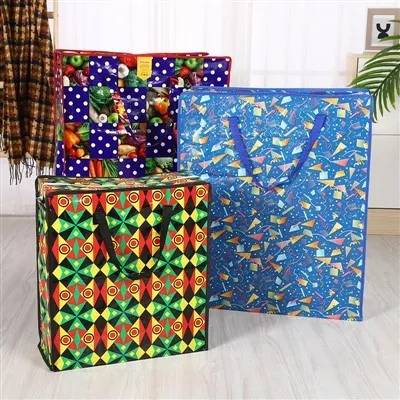
Thanks for reading, hit me up anytime if you’ve got questions.
Oxford Cloth Duffel Bags References:
Ocean Conservancy. 2023. Impact of Recycled Polyester on Plastic Waste Diversion.
United Nations Food and Agriculture Organization. 2022. Sustainable Cotton Production Metrics.
University of Kentucky College of Agriculture. 2021. Hemp Fiber Durability and Water Usage Studies.
Baigou New City Aoran Bag Manufacturing Co., Ltd.
We’re well-known as one of the leading duffel bag manufacturers and suppliers in China. With abundant experience, we warmly welcome you to wholesale bulk high quality duffel bag made in China here from our factory. Customized orders are welcome.
Address: No. 01, Sizhuang Town Industrial Park, Gaobeidian City, Baoding City, Hebei Province
E-mail: aoran1988@outlook.com
WebSite: https://www.aoranluggage.com/
