Hey there, if you’ve ever worked with PPGI (Pre-Painted Galvanized Steel) or GI (Galvanized Steel) – which I’m betting most of my customers and readers here have, since I’ve been supplying both for over a decade now – you know that keeping those coils, sheets, or finished parts from getting banged up, rusty, or peeling paint is half the battle. I see it all the time: clients pick up a batch that’s supposed to last 10+ years, and they ruin it in the first 6 months just by skipping simple maintenance steps. Today, I’m breaking down exactly how to maintain PPGI and GI the right way, no fancy tools or overcomplicated stuff required. PPGI/GI

First, let’s get one thing straight: PPGI and GI aren’t the same, so their maintenance needs do differ a little. GI is just plain galvanized steel – zinc-coated on bare steel to fight rust – while PPGI has that extra pre-applied paint layer on top of the zinc, so it’s more vulnerable to chipping, fading, or peeling if you’re not careful. Both are used everywhere from roofing and siding to gutters, garage doors, even trailer frames, and if you take care of them, they’ll outlast cheaper materials by years. I’ve sent out tons of PPGI for residential roofing and GI for agricultural fencing, and the ones that hold up best are the ones the customer did basic upkeep on.
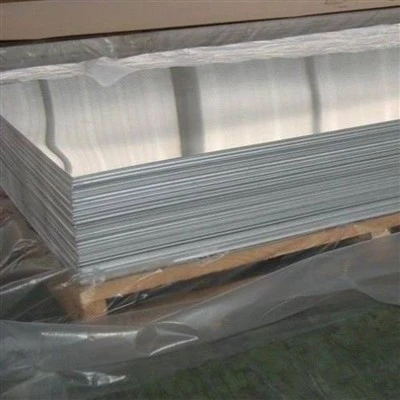
Let’s start with the basics: storage. This is the #1 mistake I see new clients make. They get their coils or sheets from my warehouse, stack them in a muddy backyard, leave them exposed to rain and sun, and wonder why they’ve got white rust (that powdery, grayish residue on zinc) or peeling paint a month later. Here’s the deal: PPGI and GI hate moisture trapped against their surface. So when you’re storing them, don’t just lay them flat on the ground. Build a simple pallet out of wooden planks or plastic skids – anything to lift them at least 6 inches off the ground, so water can’t pool underneath. And if you’ve got sheets, don’t stack them directly on top of each other without separating them? Wait, actually, hold on – for loose sheets, it’s better to stack them vertically if you have space, that way they don’t bend, and air can circulate between them. If you have to stack them horizontally, put a layer of soft, non-abrasive material (like old fabric or cardboard) between each sheet to keep surfaces from scratching or rubbing together. Oh, and always cover them with a waterproof, UV-resistant tarp – not a thin plastic garbage bag, that tears in a week and traps moisture. I once had a customer call me panicking because their 20 sheets of PPGI siding got ruined after a rainstorm, and it turned out they used a grocery store plastic bag as a cover. Dude, that’s not a tarp!
Now, if you’re working with installed PPGI or GI (like roofing, siding, etc.), regular cleaning is non-negotiable. A lot of people think you need power washers with super high pressure, but that’s a quick way to chip the paint off your PPGI. High pressure can dig into the paint layer, especially if you’re holding the nozzle too close, or if there’s any loose dirt built up. My go-to for cleaning is a soft-bristle brush (like a long-handled deck brush) and a mild, pH-neutral detergent – nothing harsh like bleach or heavy-duty cleaner, those eat away at the zinc and paint over time. For really tough stains, like bird droppings, tree sap, or industrial grime, let the detergent sit for 5-10 minutes before scrubbing gently, don’t scrub hard. And for power washing? If you must use one, keep the pressure below 1500 PSI, hold the nozzle at least 12 inches away from the surface, and never point it at the seams or edges where the paint is thinner. I always tell my commercial clients to schedule a quick cleaning every 6 months, and residential clients once a year – especially if they live near the coast (salt air is brutal on both PPGI and GI) or a factory that releases airborne chemicals.
Next up: fixing small damage right away. This is the biggest “miss” I see. If you get a tiny scratch, chip, or spot where the paint peeled off, don’t ignore it. That tiny blemish is a gateway for moisture to get under the paint and the zinc, which will lead to rust spreading fast, even if you can’t see it. For PPGI, the easiest fix is a touch-up paint pen or spray that’s made specifically for pre-painted steel. I keep a stock of these at my warehouse for exactly this reason – when a client picks up a small batch and nicks a sheet installing it, they can grab a matching pen for cheap, no need to buy a whole new sheet. Just make sure to prep the area first: wipe the scratch with a little rubbing alcohol to get rid of dirt and grease, let it dry completely, then apply a thin coat of touch-up paint. Don’t glob it on, that’ll look messy. For GI that’s gotten a scratch, you need to do a little more: clean the area, rough it up slightly with fine steel wool to help new material adhere, then apply a zinc-rich touch-up coating. This replaces the zinc that got scratched off, so it keeps the steel from rusting. I can’t stress this enough – even a scratch as small as a pinhead can turn into a 2-inch rust spot in a year if you leave it. That’s why I always remind my customers when they take delivery: check every piece as you unload it, and touch up any small damage before you install it, not after.
Another thing to watch out for: corrosion hotspots. These are areas where moisture or debris likes to build up, so they rust or fade faster. For example, on roofing, the valleys between sheets, the seams around vents, or the edges where two sheets overlap. On GI fencing, the post holes or the areas where the wire is connected to the post. On siding, the corners and the bottom edge where it meets the ground. These spots need extra attention. For seams and overlapping edges, make sure any old caulk or sealant is in good shape – if it’s cracked or peeling, scrape it off and reapply a paintable, silicone-based sealant that’s compatible with steel. For areas near the ground (like the bottom of siding, fence posts), make sure there’s good drainage – don’t let water pool there, and if the post is in the ground, treat the bottom part with extra zinc coating or a rust inhibitor before installing, since it’s sitting in moist soil. I had a farmer client last year who lost half his GI fence in one winter because he didn’t slope the ground around the post holes – water pooled there all spring, and the posts rotted from the inside out. Cost him thousands, and it all could’ve been avoided with 10 minutes of prep.
Wait, what about harsh environments? If you’re using PPGI or GI near the coast (salt air) or in a place with lots of pollution or extreme temperatures (like desert heat or freezing winters), you need to step up your maintenance a little. For coastal areas, the salt in the air is like acid to zinc and paint. I recommend cleaning PPGI/GI there twice a year, instead of once, and using a salt-removing detergent that’s made for metal surfaces. Also, touch up any damage as soon as it happens – salt accelerates rust way faster than regular humidity. In desert areas, extreme sun fades paint really quickly, so I suggest using a UV-protective clear coat spray on PPGI every 2-3 years to keep the paint from breaking down. For cold, snowy areas, salt used on roads or driveways can splash onto your PPGI/GI, so make sure to wash that off in the spring, because salt gets under paint and zinc and causes rust.
And let’s not forget about avoiding unnecessary damage during installation. I see people dragging sheets across the ground, dropping them, using power tools without eye protection that send metal shavings flying, and that all leads to scratches and dents. When you’re handling PPGI/GI sheets, lift them properly – use two people for large sheets, don’t drag them across concrete or gravel. Use wood blocks or pads when you’re cutting them, so the saw blade doesn’t leave extra scratches, and wipe away metal shavings immediately after cutting, because those shavings can cause rust spots if they sit on the surface. I always provide free cutting tips to my customers, and half the time they say they didn’t know those small steps made such a big difference.
Now, let’s clear up some common myths. Myth #1: PPGI is “permanent” so you don’t need maintenance. No way – I’ve seen PPGI roofing that’s only 5 years old, with peeling paint, because the owner never cleaned it or fixed scratches. Myth #2: You can use any cleaner on PPGI/GI. Bleach, ammonia, oven cleaner – all of these will strip the paint and zinc. I’ve had customers come back to me with damaged sheets, and half the time it’s because they used household cleaner they had under the sink. Myth #3: Touch-up paint doesn’t matter. Even a cheap pen from my warehouse works way better than leaving a scratch open to the elements. I’ve tested this for years – sheets with touch-up paint held up 3x longer than sheets with the same scratches left alone.
At the end of the day, maintaining PPGI and GI is all about being consistent, not overcomplicating it, and fixing small problems before they become big ones. I’ve been a supplier of PPGI and GI for years, and my best customers are the ones who take 10 minutes a month to check their stock or installed material, instead of waiting until there’s a huge rust spot or peeling paint. They save money long-term, and they don’t have to deal with replacing stuff every few years.
If you’re working on a project, whether it’s a residential roof, a commercial siding job, agricultural fencing, or anything else, and you need high-quality PPGI or GI that’s built to last, or you have questions about maintenance specific to your application, hit me up to chat about your needs. I’m always happy to help, no matter how big or small the project is.
Stainless Steel References
- Galvanized Steel Maintenance Guidelines, American Iron and Steel Institute
- Pre-Painted Steel Surface Care, Steel Market Development Institute
- Best Practices for Metal Storage and Corrosion Prevention, National Association of Metal Finishers
- Coastal Metal Corrosion Mitigation, International Code Council
Wuxi Jin Ming Jian De Industry & Trade Co., Ltd.
Wuxi Jin Ming Jian De Industry & Trade Co., Ltd. is one of the most professional ppgi/gi manufacturers and suppliers in China, also supports customized service. With abundant experience, we warmly welcome you to wholesale CE approved ppgi/gi in stock here from our factory. If you have any enquiry about quotation, please feel free to email us.
Address: 2102-2105, Yuexing Building, Guangnan Road, Liangxi District, Wuxi City, Jiangsu Province, China.
E-mail: info@wxjmjdss.com
WebSite: https://www.jmjdsteelexp.com/
