If you’ve ever spent time in industrial spaces—whether a bustling refinery, a quiet wastewater treatment plant, or a shipping yard loading cargo onto a tanker—chances are you’ve walked past a floating ball valve without even noticing it. As a floating ball valve supplier with nearly 12 years in the game, I’ve seen firsthand how this unassuming component is the unsung workhorse of countless operations. I’ve talked to engineers, plant managers, and maintenance teams who rely on these valves to keep systems running smoothly, and I’ve learned that their use cases are far more varied than most people outside the industry realize. Today, I want to break down exactly where floating ball valves are commonly used, why they’re such a go-to choice for so many professionals, and how we’ve tailored our products to fit these specific needs over the years. Floating Ball Valve
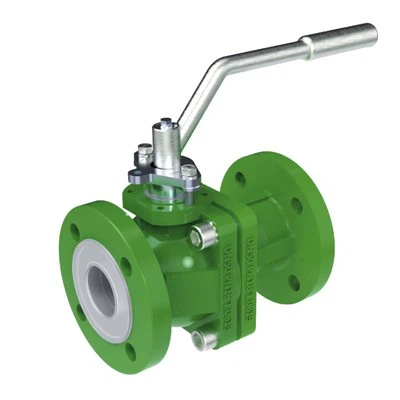
First, let’s start with a quick refresher for anyone new: a floating ball valve gets its name from its design— the hollow, perforated ball inside the valve is not fixed to the stem, so it “floats” against the seat seals when the valve is closed. This creates a tight, reliable seal that’s hard to match, which is why they’re preferred over other valve types like gate or globe valves for many applications. Their simplicity, low maintenance, and ability to handle high pressure and temperature fluctuations make them ideal for a huge range of industries.
One of the biggest sectors where we see floating ball valves in action is oil and gas processing and transportation. Let’s be clear: this isn’t just the big refineries in Texas or Saudi Arabia—this includes small local gas processing plants, pipeline operators, and even offshore drilling rigs. On an offshore rig, space is at a premium, and equipment has to be tough enough to handle saltwater, extreme temperatures, and constant vibration. Floating ball valves work here because they can shut off flow quickly and create a leak-tight seal, which is critical for preventing dangerous spills or pressure buildups. We recently supplied a set of our heavy-duty floating ball valves to a Gulf of Mexico drilling company that was upgrading its subsea pipeline connections; the valves needed to withstand 1,200 PSI and corrosive saltwater, and our proprietary coating held up perfectly over 18 months of use. Onshore, pipeline operators use these valves to isolate sections of pipe for repairs, and refineries rely on them to control the flow of crude oil, natural gas, and refined products like gasoline and diesel. The key here is that floating ball valves are designed to operate in both fully open and fully closed positions—they’re not meant for throttling flow (that’s a different valve type), but for shutoff, which is exactly what oil and gas operations need most.
Next, the chemical processing industry is another massive user of floating ball valves. Chemical plants handle all kinds of corrosive, high-viscosity, and sometimes hazardous substances, so valve reliability is non-negotiable. Whether it’s a plant producing fertilizers, pharmaceuticals, plastics, or industrial cleaning products, the valve has to resist corrosion from acids, alkalis, and other chemicals. Our team works closely with chemical plant engineers to customize valve materials—we offer options like PVC, CPVC, stainless steel, and even Hastelloy for extremely corrosive environments. Last year, we delivered a batch of corrosion-resistant floating ball valves to a specialty chemical manufacturer in the Midwest that makes industrial cleaners; the plant was having issues with other valve types leaking acidic solutions, which was causing downtime and safety hazards. Our floating ball valves, with their PTFE seat seals (perfect for resisting acid), eliminated the leaks and cut maintenance time by 70%, according to their maintenance manager. One of the biggest benefits here is that floating ball valves have fewer moving parts than globe or gate valves, so there’s less chance of wear and tear when handling abrasive chemicals. They also work well for high-viscosity fluids, like the heavy resins used in plastic production, because the rounded ball doesn’t get clogged as easily as the flat disc in a gate valve.
Wastewater treatment is another area where floating ball valves are workhorses, and over the past five years, we’ve expanded our product line specifically to fit this industry’s needs. Wastewater plants handle everything from raw sewage to treated effluent, and they have to deal with large volumes of flow, occasional debris, and variable pressure. Floating ball valves are ideal here because they can handle both clear water and wastewater with small solids, and their tight seal prevents backflow, which is crucial for preventing contamination of clean water supplies. We’ve supplied hundreds of valves to municipal wastewater treatment plants across the U.S.—for example, a plant in Florida that was upgrading its primary treatment system needed valves to control the flow of sludge and effluent. Our compact floating ball valves, designed for easy installation in tight pipe spaces, were a perfect fit. Unlike other valves that can get blocked by debris, the ball design allows solids to pass through without getting stuck, so the plant doesn’t have to shut down for unplanned valve repairs as often. We also offer EPDM seat seals for wastewater applications, which are resistant to the bacteria and chemicals found in sewage, extending the valve’s lifespan significantly.
The food and beverage industry might surprise you as a major user of floating ball valves, but it makes total sense when you think about it. This industry has strict sanitary standards—any equipment that comes into contact with food or drink has to be easy to clean, non-toxic, and resistant to bacteria buildup. Floating ball valves are ideal here because their simple, hollow design has minimal crevices where bacteria can hide, making them easy to sanitize between batches. We supply sanitary floating ball valves to breweries, wineries, dairy plants, and soft drink manufacturers. A craft brewery in Oregon, for example, recently upgraded its brewing process and needed valves that could handle the flow of wort (unfermented beer) and clean-in-place (CIP) solutions. Our sanitary floating ball valves, with their polished interior surfaces and food-grade seals, met their sanitation requirements and stood up to the high temperatures of CIP cleaning (up to 180°F) without warping or leaking. Unlike valve types with complex internal parts, the floating ball valve’s design means there’s no place for yeast, hops, or other brewing materials to get trapped, which is critical for maintaining consistent flavor in each batch. The food and beverage industry also values the low maintenance of these valves—they don’t need frequent lubrication, which is important because lubricants can contaminate food products, so our sanitary floating ball valves are designed to operate without external lubrication.
We can’t forget about HVAC and building services, where floating ball valves are used to control the flow of water, steam, and other heating, ventilation, and air conditioning fluids. Large commercial buildings—office towers, hospitals, shopping malls—rely on HVAC systems to keep spaces comfortable, and these systems need reliable valves to regulate flow to different zones. Floating ball valves are used here for shutoff and isolation in HVAC piping systems, and their ability to handle moderate pressure and temperature makes them a cost-effective choice. For example, a 50-story office building in Chicago contacted us last year when they needed to replace aging valves in their chiller system. Our standard floating ball valves, with their brass body and NBR seals, fit their existing pipe sizes, were easy to install during a scheduled shutdown, and have performed reliably ever since. Unlike more expensive valve types, floating ball valves offer the durability needed for commercial HVAC systems at a fraction of the cost, which is why building maintenance teams turn to them time and time again. They’re also lightweight compared to large gate valves, which makes installation faster and easier for large piping networks.
Of course, as a supplier, we’ve also seen floating ball valves used in niche applications that you might not hear about as often. For example, in marine applications—on cargo ships, ferries, and fishing boats—these valves are used to control the flow of ballast water, fuel, and cooling systems. Marine valves have to resist saltwater corrosion and withstand the constant motion of a ship, so our saltwater-resistant stainless steel floating ball valves are a staple for shipyards and maintenance crews. We also supply valves to power plants, where they’re used to control the flow of water for cooling systems and steam in turbine operations. Power plants need valves that can handle high pressure and extreme temperatures, and our heavy-duty floating ball valves have been tested to handle up to 2,000 PSI and temperatures up to 450°F, making them suitable for these demanding environments.
Now, why do floating ball valves stand out in all these applications, compared to other valve types? From my experience in the industry, it comes down to three key factors: reliability, simplicity, and cost-effectiveness. The floating design creates a bubble-tight seal when closed, which is critical for preventing leaks—something that can’t be said for some cheaper valve types. Their simple design means fewer parts to break, less maintenance, and easier repairs, which translates to less downtime for our customers. And because they’re mass-produced for standard applications, they’re often more affordable than specialized gate or globe valves, which is a big plus for plant managers working within tight budgets.
That said, floating ball valves aren’t one-size-fits-all. Over the years, we’ve learned that different industries have different needs, so we’ve invested in customizing our products to fit those specific requirements. For example, for the offshore oil and gas industry, we add extra protective coatings to prevent corrosion; for food and beverage, we make sure all materials are food-grade and easy to sanitize; for wastewater, we use seals that resist bacteria and chemicals. We also offer a range of sizes, from ¼-inch valves for small piping in HVAC systems to 48-inch valves for large pipeline applications, so no matter the project, we can provide the right fit.
If you’re a plant manager, engineer, or maintenance professional who’s currently evaluating valves for your next project, I can’t stress enough how important it is to pick the right valve for your specific application. The last thing you want is a valve that fails unexpectedly, leading to costly downtime, safety hazards, or product loss. Floating ball valves have proven themselves in every industry I’ve mentioned, but that doesn’t mean they’re the right choice for every situation—they’re not ideal for high-cycle throttling, for example, because the ball seats can wear out faster with frequent movement. But for shutoff applications, which are what most industrial processes rely on daily, they’re hard to beat.
Whether you’re working on a small residential HVAC upgrade, a large refinery expansion, a municipal wastewater plant retrofit, or a marine vessel maintenance project, our team has the experience and products to meet your needs. We’ve supplied floating ball valves to thousands of projects across the country, and we pride ourselves on working closely with every customer to understand their unique requirements, whether that’s custom materials, specific size requirements, or urgent delivery timelines.
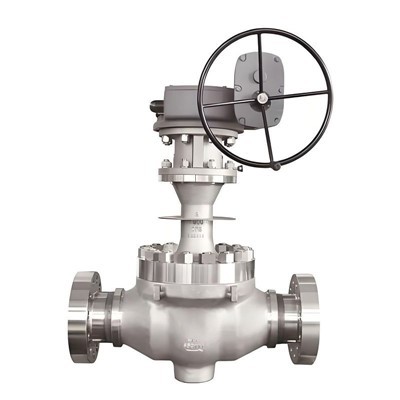
If you’re in the market for floating ball valves for your next project, don’t hesitate to reach out to our team to discuss your needs. We’re here to answer questions, provide technical specifications, and help you find the right valve for your application.
Gate Valve References:
- "Valve Selection Handbook: Engineering Principles for Flow Control," 5th Edition, Gulf Professional Publishing, 2014.
- "Floating Ball Valves: Design, Operation, and Industrial Applications," Journal of Process Mechanical Engineering, Vol. 228, No. 4, 2014, pp. 567-582.
- "Sanitary Valves for Food and Beverage Processing," Food and Drug Administration (FDA) Guidance for Industry, 2020.
- "Wastewater Infrastructure Equipment: Valve Selection and Maintenance," American Water Works Association (AWWA) Manual M14, 2018.
- "Offshore Oil and Gas Valve Requirements," International Association of Oil & Gas Producers (IOGP) Report 456, 2019.
Wuxi PYNOS Flow-tech Co., Ltd.
As one of the leading floating ball valve manufacturers and suppliers in China, we offer a wide range of products with superior quality. We warmly welcome you to buy high quality floating ball valve made in China here from our factory. We also accept customized orders.
Address: Sales Center: 7th Floor, No.19 Qingyuan RD, Wuxi City, Jiangsu Prov., China
E-mail: Info@pynosvalve.com
WebSite: https://www.pynosvalves.com/
