Hey there, glass folks! If you’re a builder, renovator, or just someone picking out materials for a space with lots of moisture—like a bathroom, pool enclosure, or even a laundry room splash zone—you’ve probably wondered this one thing: Can laminated glass actually handle being around water all the time? As a laminated glass supplier who’s answered this question a hundred times (okay, maybe more like a thousand, between contractors, interior designers, and random homeowners who found my social media), let me break this down straight, no jargon, no fancy sales fluff. Laminated Glass
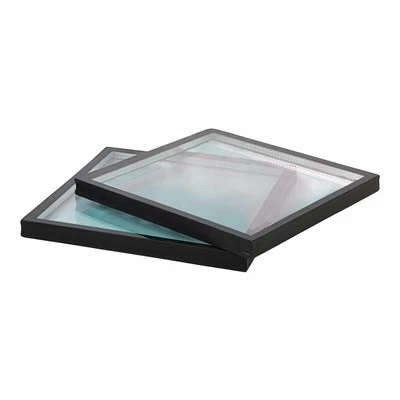
First off, let’s start with what laminated glass even is, ‘cause I’ve had way too many people mix it up with tempered glass. Laminated glass is two or more layers of glass bonded together with a thin, sticky interlayer—usually polyvinyl butyral (PVB), though sometimes ionoplast for extra strength. The big thing about it is that if it breaks, the interlayer holds the shards together instead of sending ’em flying everywhere. That’s why it’s used for car windshields, storefronts, and safety railings, right? So when someone asks if it works in wet areas, they’re really asking: does that interlayer hold up to constant humidity, water splashes, even being submerged?
Let’s get the science part out of the way first—no one wants a lecture, but this matters. The PVB interlayer is water-resistant, not waterproof. Wait, that’s a key distinction. “Water-resistant” means it can handle regular exposure to moisture like, say, a shower’s steam or a pool’s splashes, without breaking down. But “waterproof” would mean it can hang out fully submerged for years with zero issues—most standard laminated glass can’t do that, and that’s not a flaw, that’s just how the material works.
Here’s the thing: I’ve seen projects where people installed regular laminated glass in a shower wall and it turned out fine for 5+ years, and I’ve seen another where it bubbled after 18 months. What’s the difference? The installation, obviously. If you don’t seal the edges properly, water can get in between the glass layers and the edge of the interlayer. That’s the weak spot. The core of the laminated panel is totally fine, but exposed edges are the Achilles’ heel. Think of it like a sandwich—if the crust is open, the filling can get soggy. Same here.
Now, what wet areas are actually okay for laminated glass? Let’s list the common ones where it works great:
- Bathroom walls and mirrors: Wait, laminated mirrors! Yeah, laminated glass is perfect here because it’s shatterproof, so if a mirror falls off the wall (which we’ve all seen happen, ugh) it won’t cut anyone. Just make sure the edges are sealed with a silicone caulk that’s made for wet areas—no generic stuff.
- Pool enclosures and patio screens: These are splash zones, not submerged. Laminated glass holds up great against pool chemicals too, by the way—chlorine doesn’t eat away at the PVB like some other materials do. I did a pool enclosure job in Florida a couple years back, and that glass has been through hurricanes and weekly chlorine treatments for 3 years, no issues at all.
- Laundry room splashbacks: Spilling detergent, steam from the washer, that’s no problem. Laminated’s scratch-resistant too, so it’s way better than regular glass for wiping down all those spills.
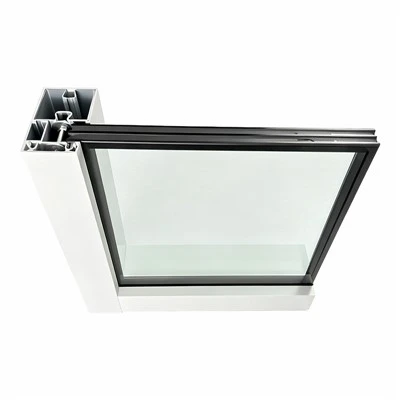
- Shower doors (framed only): Wait, framed is important here. If your shower door is fully framed with aluminum or stainless steel, the frame covers the edges, so water can’t get in. Unframed shower doors? That’s a no-go for standard laminated, ‘cause the edges are exposed to water every time you shower.
Now, when should you not use regular laminated glass in wet areas? That’s the stuff where it’s gonna get submerged or have constant direct water exposure, no frame covering the edges:
- Underwater pool windows: If you’re building a swim-out bar or a window that’s fully under the water line, standard laminated isn’t your move. You need a specialized underwater laminated panel with edge-sealed laminations, not the off-the-shelf stuff we sell for railings.
- Steam rooms: Wait, steam is super hot and humid, right? Standard PVB can handle mild steam, but if your steam room is 120°F+ with constant moisture, the interlayer might start to degrade over time. We usually recommend a higher-temperature PVB for those spaces, which is a little pricier but worth it.
- Outdoor countertops near a sink: If you’re putting a laminated glass countertop where water’s gonna sit for hours, like a wet bar on a patio, you gotta seal the edges really well. I’ve had customers skip that step and end up with bubbling after a year—total waste of money, and I feel bad ‘cause I tried to warn ’em.
Now, let’s clear up a common myth I hear all the time: “Tempered glass is better for wet areas!” No, not really. Tempered glass is stronger than regular glass, but if it breaks, it shatters into those tiny little pieces that still have sharp edges. Laminated is shatter-resistant, which is way safer for wet areas where someone might slip and fall. Plus, tempered glass can’t be cut after it’s made, so if you mess up a measurement, you have to start over—laminated is way easier to customize, which is a big win for small projects like bathroom mirrors.
Another point: maintenance. Laminated glass in wet areas is actually low-fuss. Just wipe it down with regular glass cleaner, no special products. Avoid abrasive cleaners, though—those can scratch the glass surface. And every couple years, it’s a good idea to check the edge seals. If you notice any caulk cracking, re-seal it. That’s way cheaper than replacing the whole panel.
Wait, I should mention the interlayer types ‘cause that’s a big part of how well it works in wet spaces. PVB is the standard, which works for most residential wet areas. But if you’re doing a commercial project, like a hotel pool or a public shower, we use ionoplast interlayers sometimes. They’re more flexible, hold up better to extreme moisture, and have a clearer finish so you can’t see the lamination lines as much. Yeah, they cost a bit more, but they last way longer in wet environments—we’ve got a commercial installation in a water park that’s been going for 10 years with zero issues, and that’s a high-traffic, high-moisture space.
Let me tell you about a mistake a customer made last year. They bought a cheap laminated glass panel online for their basement bathroom shower, installed it without sealing the edges, and a couple months later, the interlayer started to turn cloudy. Water had seeped in between the glass layers, and it ruined the whole panel. They reached out to me, and I had to explain that cheap laminated (the kind you find at big box stores sometimes) uses lower-quality PVB that’s not meant for constant moisture. The good stuff we sell is tested to withstand 10,000 hours of humidity exposure—way more than you’d ever get in a home.
So, to circle back: yes, laminated glass can be used in wet areas, but only if you do it right. It’s not a one-size-fits-all material. The key is matching the glass type to the space, making sure edges are properly sealed, and avoiding the extreme wet scenarios where you need a specialized panel.
As a supplier, I see so many people overcomplicate this. You don’t need to spend a fortune on specialized glass for a regular bathroom wall. But you also don’t want to cut corners by skipping edge sealing or buying the cheapest laminated you can find. That’s why I always tell customers: ask questions. Tell me exactly where you’re installing it, how much water exposure it’s gonna get, if it’s framed or not. I can point you to the right product, give you installation tips, even connect you with installers who know how to do it right.
Glass Engineering Services If you’re gearing up for a project—whether it’s a small bathroom renovation, a pool enclosure, a commercial water feature, anything with water—hit me up to chat. I’m not here to push a sale; I’m here to make sure you get the right glass that lasts, no headaches.
References
- Glass Association of North America. (2021). Laminated Glass Applications in High-Moisture Environments. GNA Technical Bulletin 21-04.
- PVB Interlayer Council. (2022). Performance of Polyvinyl Butyral in Humid and Wet Exposure Conditions. PVB Materials Report 19.
- International Residential Code (IRC). (2023). Section R308.4.1: Safety Glazing in Bathrooms and Wet Areas. International Code Council.
- American Architectural Manufacturers Association. (2021). Guide to Laminated Glass for Exterior and Wet Location Applications. AAMA Document 1507.
Suzhou Dingcheng Tempered Glass Co., Ltd.
As one of the most professional laminated glass manufacturers and suppliers in China, we also support customized service. We warmly welcome you to wholesale high quality laminated glass made in China here from our factory. If you have any enquiry about free sample, please feel free to email us.
Address: No.777 Limin North Road, Lili Town, Wujiang District, Suzhou City, Jiangsu Province
E-mail: Dingchengglass@163.com
WebSite: https://www.dingchengglass.com/
