As a supplier of dumbwaiter elevators, I often get asked about the noise level of these handy devices during operation. It’s a valid concern, especially when considering the installation of a dumbwaiter in a residential or commercial setting. In this blog post, I’ll delve into the factors that influence the noise level of a dumbwaiter elevator, how we measure it, and what you can expect from our products. Dumbwaiter Elevator
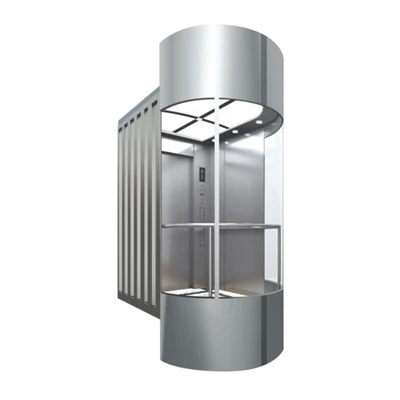
Understanding the Basics of Dumbwaiter Elevators
Before we discuss the noise level, let’s briefly understand what a dumbwaiter elevator is. A dumbwaiter is a small, vertical lift designed to transport light loads, such as food, dishes, laundry, or documents, between different floors of a building. They are commonly used in restaurants, hotels, hospitals, and private homes.
Dumbwaiters come in various types, including hydraulic, electric, and pneumatic systems. Each type has its own set of characteristics, and the noise level can vary depending on the design and components used.
Factors Affecting the Noise Level of Dumbwaiter Elevators
Several factors can influence the noise level of a dumbwaiter elevator during operation. Here are some of the key ones:
1. Motor Type and Quality
The motor is the heart of the dumbwaiter elevator, and its type and quality play a significant role in determining the noise level. Electric motors are generally quieter than hydraulic motors. High – quality motors are designed with advanced technology to reduce vibration and noise. For example, our dumbwaiters are equipped with brushless DC motors that operate smoothly and quietly. These motors are engineered to minimize friction and mechanical noise, ensuring a peaceful operation.
2. Drive System
The drive system of the dumbwaiter, which includes the cables, pulleys, and gears, can also contribute to the noise. A well – maintained and properly aligned drive system will produce less noise. Our dumbwaiters feature a precision – engineered drive system that is carefully calibrated to ensure smooth movement and minimal noise. The use of high – quality materials for cables and pulleys reduces wear and tear, which in turn helps to keep the noise level down.
3. Enclosure Design
The enclosure of the dumbwaiter can act as a sound barrier. A well – designed enclosure will absorb and dampen the noise generated by the moving parts. Our dumbwaiters are built with a solid and insulated enclosure that effectively reduces the transmission of noise to the surrounding environment. The enclosure is made of high – quality materials that are not only durable but also provide excellent sound insulation.
4. Installation Quality
Proper installation is crucial for minimizing the noise level of a dumbwaiter elevator. If the dumbwaiter is not installed correctly, it can lead to excessive vibration and noise. Our team of experienced technicians ensures that every dumbwaiter is installed with precision, following all the manufacturer’s guidelines. They pay close attention to the alignment of the tracks, the tension of the cables, and the stability of the unit, which helps to keep the noise level to a minimum.
Measuring the Noise Level of Dumbwaiter Elevators
The noise level of a dumbwaiter elevator is typically measured in decibels (dB). A decibel is a unit used to measure the intensity of sound. The human ear can detect sounds ranging from 0 dB (the threshold of hearing) to around 120 dB (the threshold of pain).
To measure the noise level of a dumbwaiter, we use a sound level meter. The meter is placed at a specific distance from the dumbwaiter, usually about 1 meter away from the enclosure, at ear – level. The measurement is taken during the normal operation of the dumbwaiter, including the start, movement, and stop phases.
The noise level of a well – designed and properly installed dumbwaiter elevator usually ranges from 40 dB to 60 dB. To put this into perspective, a normal conversation at a distance of 1 meter typically has a noise level of around 60 dB, while a quiet library has a noise level of about 40 dB. Our dumbwaiters are designed to operate within this range, ensuring that they do not cause any significant disturbance in the surrounding environment.
Noise Level Comparison with Other Elevators
Compared to larger passenger elevators, dumbwaiter elevators generally have a lower noise level. Passenger elevators are designed to carry heavier loads and are often equipped with more powerful motors and larger drive systems. These factors can result in a higher noise level during operation.
For example, a typical passenger elevator may have a noise level of 60 dB to 80 dB, especially during the acceleration and deceleration phases. In contrast, our dumbwaiter elevators, with their compact design and efficient components, operate at a much quieter level. This makes them an ideal choice for settings where noise reduction is a priority, such as residential homes, offices, and restaurants.
Our Commitment to Low – Noise Dumbwaiter Elevators
At our company, we are committed to providing our customers with dumbwaiter elevators that offer a quiet and reliable operation. We continuously invest in research and development to improve the design and performance of our products. Our engineering team works closely with suppliers to source the highest – quality components that are specifically designed to reduce noise.
We also conduct rigorous testing on every dumbwaiter before it leaves our factory. This includes testing the noise level under various operating conditions to ensure that it meets our strict quality standards. If any issues are detected, we take immediate steps to address them, so that our customers can enjoy a quiet and hassle – free experience with our dumbwaiters.
Benefits of Low – Noise Dumbwaiter Elevators
There are several benefits to choosing a low – noise dumbwaiter elevator. In a residential setting, a quiet dumbwaiter can enhance the comfort and tranquility of the home. It allows you to transport items between floors without disturbing the peace of your living space.
In a commercial setting, such as a restaurant or a hotel, a low – noise dumbwaiter is essential for providing a pleasant dining or guest experience. It ensures that the noise from the dumbwaiter does not interfere with the conversations of customers or the overall ambiance of the establishment.
Conclusion

The noise level of a dumbwaiter elevator during operation is an important consideration when choosing a system for your home or business. By understanding the factors that influence the noise level, such as the motor type, drive system, enclosure design, and installation quality, you can make an informed decision.
Dumbwaiter Elevator Our company is dedicated to providing high – quality dumbwaiter elevators that operate quietly and efficiently. We believe that a low – noise dumbwaiter can enhance the functionality and comfort of your space. If you are interested in learning more about our dumbwaiter elevators or would like to discuss your specific requirements, please feel free to contact us. We look forward to the opportunity to work with you and provide you with the perfect dumbwaiter solution for your needs.
References
- ASME A17.1 Safety Code for Elevators and Escalators
- ISO 3744 Acoustics – Determination of sound power levels of noise sources using sound pressure – Engineering method in an essentially free field over a reflecting plane
Fuji Express Elevator Co., Ltd.
As one of the most professional dumbwaiter elevator manufacturers and suppliers in China, we’re featured by quality products and good service. Please rest assured to buy custom made dumbwaiter elevator at competitive price from our factory. Contact us for more details.
Address: No. 7 Nanxiehe, Fuqiang Village, Dongqian Subdistrict, Nanxun District, Huzhou City, Zhejiang Province
E-mail: vivi@fujilift-tech.com
WebSite: https://www.fujilift-tech.com/
