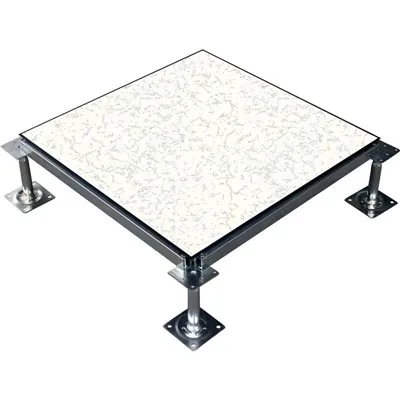
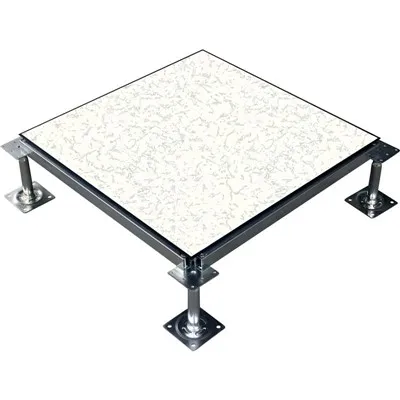
As a supplier of raised floor supports, I’ve been deeply involved in the industry for quite some time. Over the years, I’ve witnessed the growing concern about the environmental impact of various manufacturing processes, and raised floor support manufacturing is no exception. In this blog post, I’ll explore the environmental aspects associated with the production of raised floor supports and how we, as a responsible supplier, are addressing these concerns. Raised Floor Supports
1. Raw Material Extraction and Sourcing
The journey of raised floor supports begins with the extraction of raw materials. Common materials used in manufacturing these supports include steel, aluminum, and various types of plastics. Each of these materials has its own environmental footprint during the extraction phase.
Steel
Steel is a widely used material for raised floor supports due to its strength and durability. However, the production of steel involves mining iron ore, which can have significant environmental impacts. Mining operations can lead to deforestation, habitat destruction, and soil erosion. Additionally, the energy-intensive process of converting iron ore into steel releases large amounts of greenhouse gases, primarily carbon dioxide.
Aluminum
Aluminum is another popular choice for raised floor supports because of its lightweight and corrosion-resistant properties. The extraction of aluminum from bauxite ore requires a substantial amount of energy, mainly in the form of electricity. This energy consumption contributes to carbon emissions, especially if the electricity is generated from fossil fuels. Moreover, the bauxite mining process can cause environmental degradation, such as soil and water pollution.
Plastics
Plastic materials are also used in raised floor supports, particularly in components like base pads and covers. The production of plastics is derived from petrochemicals, which are non-renewable resources. The extraction and processing of petrochemicals contribute to air and water pollution, as well as the depletion of fossil fuel reserves. Additionally, plastic waste is a major environmental concern, as it can take hundreds of years to decompose.
As a supplier, we are committed to sourcing raw materials responsibly. We work with suppliers who adhere to strict environmental standards and sustainable mining practices. For steel, we source from mills that have implemented energy-efficient technologies and are actively reducing their carbon emissions. In the case of aluminum, we look for suppliers that use renewable energy sources in their production processes. When it comes to plastics, we are exploring the use of recycled plastics and bio-based plastics to reduce our reliance on petrochemicals.
2. Manufacturing Processes
The manufacturing processes involved in producing raised floor supports also have environmental implications. These processes typically include cutting, shaping, welding, and coating the raw materials.
Energy Consumption
Manufacturing raised floor supports requires a significant amount of energy, especially in processes like welding and heat treatment. The energy used in these processes is often derived from fossil fuels, which contribute to greenhouse gas emissions. To reduce our energy consumption, we have invested in energy-efficient equipment and technologies. For example, we have installed high-efficiency motors and lighting systems in our manufacturing facilities. We also optimize our production schedules to minimize idle time and reduce overall energy usage.
Waste Generation
During the manufacturing process, there is inevitably some waste generated, such as scrap metal, plastic trimmings, and coating residues. Improper disposal of this waste can have negative environmental impacts, such as soil and water pollution. To address this issue, we have implemented a comprehensive waste management system. We recycle as much scrap metal and plastic as possible, and we ensure that any hazardous waste is disposed of in accordance with environmental regulations.
Chemical Usage
Some manufacturing processes, such as coating, involve the use of chemicals. These chemicals can be harmful to the environment if not properly managed. For example, certain coatings may contain volatile organic compounds (VOCs), which can contribute to air pollution and have negative health effects. To minimize the environmental impact of chemical usage, we are constantly looking for alternative, eco-friendly coatings that have lower VOC emissions. We also ensure that our employees are trained in the proper handling and disposal of chemicals to prevent spills and contamination.
3. Product Life Cycle and End-of-Life Management
The environmental impact of raised floor supports extends beyond the manufacturing phase and includes the entire product life cycle, from use to end-of-life disposal.
Use Phase
During the use phase, raised floor supports can have a positive environmental impact if they contribute to energy efficiency in buildings. For example, some raised floor systems are designed to facilitate the distribution of air and power, which can help reduce energy consumption for heating, ventilation, and air conditioning (HVAC) systems. Additionally, by providing a stable and flexible platform for building services, raised floor supports can extend the lifespan of these services, reducing the need for premature replacement and associated waste generation.
End-of-Life Management
At the end of their life cycle, raised floor supports need to be properly disposed of or recycled. If these supports are made of materials like steel or aluminum, they can be recycled and reused in the production of new products. Recycling not only reduces the demand for virgin raw materials but also saves energy and reduces greenhouse gas emissions compared to producing new materials from scratch. As a supplier, we encourage our customers to recycle their used raised floor supports and provide guidance on the proper recycling procedures.
4. Our Sustainability Initiatives
As a responsible supplier of raised floor supports, we are committed to minimizing our environmental impact and promoting sustainable practices throughout our operations. Here are some of the initiatives we have implemented:
Environmental Management System
We have established an environmental management system (EMS) based on the ISO 14001 standard. This system helps us identify, monitor, and control our environmental impacts, and it provides a framework for continuous improvement. Through our EMS, we set environmental objectives and targets, implement environmental programs, and regularly review our performance to ensure that we are meeting our sustainability goals.
Product Innovation
We are constantly investing in research and development to develop more sustainable raised floor support products. This includes exploring the use of new materials, such as recycled and bio-based materials, and developing innovative manufacturing processes that reduce energy consumption and waste generation. For example, we are currently working on a project to develop a raised floor support made from a high percentage of recycled steel, which will significantly reduce the environmental impact of our products.
Supply Chain Management
We work closely with our suppliers to ensure that they also adhere to sustainable practices. We conduct regular supplier audits to assess their environmental performance and provide training and support to help them improve. By working together with our suppliers, we can create a more sustainable supply chain and reduce the overall environmental impact of our products.
5. Contact Us for Responsible Procurement
In conclusion, the manufacturing of raised floor supports has both positive and negative environmental impacts. However, by taking a proactive approach to sustainability, we can minimize these impacts and contribute to a more sustainable future. As a supplier, we are committed to providing high-quality raised floor supports that are not only durable and functional but also environmentally friendly.
If you are interested in learning more about our sustainable raised floor support products or have any questions about our environmental initiatives, please do not hesitate to contact us. We are eager to discuss your specific needs and explore how we can work together to achieve your sustainability goals. Whether you are an architect, a builder, or a facility manager, we are confident that our products and services will meet your requirements and exceed your expectations.
Raised Floor Panels Let’s collaborate to create a greener and more sustainable built environment.
References
- Bocken, N. M. P., de Pauw, I., Bakker, C., & van der Grinten, B. (2016). Product design and business model strategies for a circular economy. Journal of Industrial and Production Engineering, 33(5), 308-320.
- Geissdoerfer, M., Savaget, P., Bocken, N. M. P., & Hultink, E. J. (2017). The circular economy–a new sustainability paradigm?. Journal of Cleaner Production, 143, 757-768.
- Kirchherr, J., Reike, D., & Hekkert, M. (2017). Conceptualizing the circular economy: An analysis of 114 definitions. Resources, Conservation and Recycling, 127, 221-232.
Fineco Tech Co., Ltd.
As one of the most professional raised floor supports manufacturers and suppliers in China, we’re featured by quality products and good service. Welcome to wholesale customized raised floor supports made in China here from our factory. If you have any enquiry about cooperation, please feel free to email us.
Address: Wuyue Square, Wujin District, Changzhou, Jiangsu, China
E-mail: info@finecotech.com
WebSite: https://www.finecoglobal.com/
