As a trusted supplier of Energy Storage Cable Compounds, I’ve witnessed firsthand the crucial role these compounds play in the efficiency of energy storage cables. In this blog, I’ll delve into the science behind energy storage cable compounds and how they directly impact the efficiency of these essential cables. Energy Storage Cable Compounds
Understanding Energy Storage Cables and Their Compounds
Energy storage cables are the lifelines of modern energy storage systems, whether they are used in large – scale grid storage, renewable energy integration, or electric vehicle charging stations. These cables are responsible for transferring electrical energy from the storage source (such as batteries or supercapacitors) to the end – users or for the charging and discharging processes.
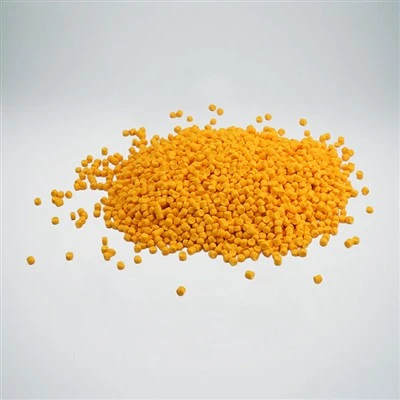
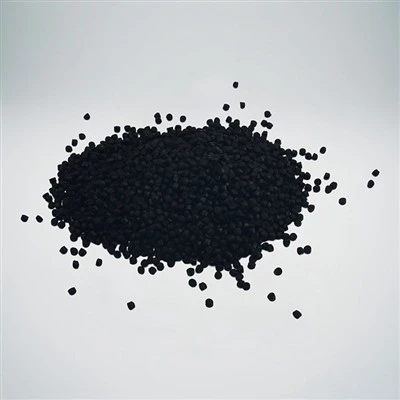
Energy storage cable compounds are the materials that coat and insulate these cables. They are typically made up of polymers and various additives designed to provide specific electrical, mechanical, and thermal properties. The selection of the right compound is not a trivial matter; it can significantly affect the overall performance of the energy storage cables.
Electrical Conductivity and Dielectric Properties
One of the most critical factors influencing cable efficiency is the electrical conductivity and dielectric properties of the cable compounds. Good electrical conductivity in the cable conductor is essential for minimizing resistive losses. The compound acts as an insulator around the conductor, and its dielectric properties determine how well it can prevent electrical leakage.
A high – quality energy storage cable compound has a low dielectric constant. A low dielectric constant means that the compound will not store excessive electrical energy in the form of an electric field within itself. When the dielectric constant is too high, the cable may experience significant energy losses in the form of heat generation. This heat not only reduces the efficiency of the cable but can also lead to long – term damage to the cable structure.
Moreover, the compound should have high dielectric strength. Dielectric strength is the maximum electric field that the compound can withstand without breaking down and causing an electrical short. A compound with high dielectric strength helps to ensure reliable operation of the cable, especially in high – voltage energy storage applications. By preventing electrical breakdowns, it reduces the risk of sudden power outages and potential damage to the energy storage system.
Thermal Properties of Energy Storage Cable Compounds
Thermal management is another key aspect of cable efficiency. During the operation of energy storage cables, electrical resistance causes some of the electrical energy to be converted into heat. If this heat is not dissipated effectively, the temperature of the cable will rise, leading to increased resistance and further energy losses.
Energy storage cable compounds can play a vital role in thermal management. Compounds with high thermal conductivity can transfer heat away from the cable conductor more efficiently. This helps to maintain a lower operating temperature of the cable, which in turn reduces the resistive losses. For example, some advanced cable compounds are formulated with thermally conductive fillers such as aluminum oxide or boron nitride. These fillers enhance the thermal conductivity of the polymer matrix, allowing heat to be quickly dissipated to the surrounding environment.
In addition to thermal conductivity, the compound’s ability to withstand high temperatures is also crucial. In some energy storage applications, such as in high – power charging stations or large – scale battery storage systems, the cables may be exposed to relatively high temperatures. A compound with good thermal stability can maintain its mechanical and electrical properties even at elevated temperatures, ensuring long – term reliable operation of the cable.
Mechanical Properties and Durability
The mechanical properties of energy storage cable compounds also have an impact on cable efficiency. A cable that is mechanically strong and flexible is less likely to be damaged during installation, operation, and maintenance. Cracks or deformations in the cable insulation can lead to electrical leakage and increased energy losses.
Flexibility is important because it allows the cable to be easily routed and installed in different energy storage systems. Compounds that are too rigid may crack or break when bent, which can compromise the integrity of the insulation. On the other hand, compounds need to have sufficient hardness and tear resistance to withstand physical stress and abrasion.
Good adhesion between the cable compound and the conductor is also essential. A strong bond ensures that the insulation remains in place and provides consistent electrical insulation. If the compound delaminates from the conductor, it can create air gaps, which may lead to partial discharges and reduced cable efficiency.
Chemical Resistance and Environmental Factors
Energy storage cables are often exposed to various chemicals and environmental conditions. For example, in some battery energy storage systems, the cables may come into contact with electrolytes or other chemicals. In outdoor applications, they may be exposed to moisture, sunlight, and harsh weather conditions.
A well – formulated energy storage cable compound should have good chemical resistance. It should be able to resist degradation when in contact with chemicals, which helps to maintain its electrical and mechanical properties over time. For instance, in a lead – acid battery storage system, the cable compound should be resistant to sulfuric acid, which is the electrolyte used in these batteries.
Environmental factors such as UV radiation and moisture can also affect the performance of the cable. Compounds that are UV – stabilized can prevent degradation caused by sunlight exposure, which may otherwise lead to embrittlement and cracking of the insulation. Additionally, moisture – resistant compounds can prevent water ingress, which can cause electrical leakage and corrosion of the conductor.
Impact on System – Level Efficiency
The efficiency of energy storage cables is not just an individual cable – level issue; it has a significant impact on the overall efficiency of the energy storage system. In a large – scale energy storage project, even a small improvement in cable efficiency can result in substantial energy savings over time.
For example, in a grid – connected energy storage system, the energy losses in the cables during the charging and discharging processes can reduce the overall round – trip efficiency of the system. By using high – performance energy storage cable compounds, these losses can be minimized, which means that more of the stored energy can be delivered to the grid when needed.
In electric vehicle charging stations, efficient energy storage cables can reduce the charging time and improve the overall energy utilization. This is particularly important as the demand for fast – charging electric vehicles continues to grow.
Conclusion and Call to Action
In conclusion, energy storage cable compounds have a profound impact on the efficiency of energy storage cables. The electrical, thermal, mechanical, chemical, and environmental properties of these compounds all contribute to the overall performance of the cables. As the demand for more efficient energy storage systems continues to rise, the role of high – quality cable compounds becomes increasingly important.
Automotive and EV Cable Compounds If you are in the market for energy storage cable compounds that can enhance the efficiency of your energy storage cables, I’d be more than happy to discuss your specific needs. Our team of experts can provide you with detailed information about our product range, their properties, and how they can be tailored to your applications. Let’s work together to build more efficient and reliable energy storage systems.
References
- "Handbook of Electrical and Electronic Insulating Materials"
- "Polymer Science and Technology for High – Voltage Insulation Applications"
- "Energy Storage Systems: Design and Analysis"
Opta New Materials (Jiangsu) Co., Ltd.
As one of the most professional energy storage cable compounds manufacturers and suppliers in China, we also support customized service. We warmly welcome you to buy bulk durable energy storage cable compounds from our factory. If you have any enquiry about free sample, please feel free to email us.
Address: No.80, Jingang Avenue, Zhenjiang New Area, Zhenjiang City, Jiangsu Province, China.
E-mail: le.yin@optachem.com
WebSite: https://www.optanewmaterials.com/
