If you’ve ever walked through a chemical-processing plant, you know it’s not like a typical office or even a regular warehouse. The air has that faint, sharp tang of something industrial, the hum of machinery never stops, and if you look closely, you’ll see cables running everywhere—stretching from control panels to pumps, sensors, and those big, loud reactors that turn raw materials into whatever the plant makes that day. As a sheathed wire supplier, I get asked all the time: can we actually use sheathed wire in these places? It’s a totally fair question, because not just any wire can hold up to the chaos of chemical processing. Let’s break this down, no fancy jargon, just real talk from someone who’s dealt with this for years. Sheathed Wire
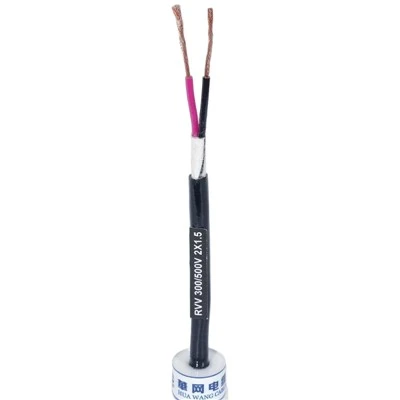
First, let’s get one thing straight: “sheathed wire” isn’t a one-size-fits-all term. A lot of people hear that and picture a basic insulated wire with a rubber or plastic outer jacket. But in industrial terms, sheathed wire is a whole category of wires with a protective outer layer (the “sheath”) that’s designed to block specific threats. Chemical plants have way more threats than your average construction site, so we can’t just grab the cheapest sheathed wire off the shelf and call it good. Let’s talk about the biggest risks these wires face in a chemical plant, because that’s what determines if sheathed wire works here.
Number one is obviously chemicals, and not just the harmless cleaning chemicals you use at home. Chemical plants handle everything from corrosive acids that can eat through metal to solvents that can dissolve plastic. I remember a few years back, a small paint company (they’re technically a chemical plant, just for specialty paints) called us panicking because they’d used generic PVC sheathed wire for their mixing lines. The solvent they used for their paint thinner wasn’t marked super clearly on its SDS (Safety Data Sheet), and within six months, the PVC jacket started cracking. Turns out, that solvent broke down PVC like water breaking down a paper cup. The company had to shut down part of their plant to rewire, which cost them way more than if they’d gotten the right sheathed wire first. That’s the kind of story that sticks with me, because it’s avoidable.
So what sheathed wire works here? First, we need to look at the sheath material. A lot of people ask about cross-linked polyethylene (XLPE) or fluoropolymers like FEP or PFA. Those are the workhorses for chemical processing. Wait, let me explain why without making it boring. XLPE is way more resistant to chemicals than regular PVC— it can stand up to mild acids, alkalis, and most solvents without breaking down. For harsher stuff, fluoropolymers are the way to go. They’re almost inert, meaning they don’t react with most chemicals you’ll find in a plant, even strong acids like sulfuric acid or caustic soda. I’ve seen PFA sheathed wire get submerged in raw nitric acid for months and still work like new— that’s the kind of durability you need here.
But chemicals aren’t the only problem in these plants. There’s also temperature. Chemical reactors can run at super high temps— some get up to 200°C or more, especially for processes like polymerization. If a wire’s sheath can’t handle that, it’ll melt, start dripping, and that’s a fire hazard before you know it. Or on the flip side, some storage areas for chemicals are super cold— like cryogenic storage for liquid nitrogen or other cold chemicals. Generic sheathed wire might get brittle and snap in those temps. So the sheathed wire we use for chemical plants has to handle both high and low temps, depending on where it’s going. That’s another thing that separates industrial-grade sheathed wire from the stuff you get at the hardware store for your home garage.
Then there’s the physical abuse. Chemical plants are loud, busy places. Forklifts driving around, drums of chemicals being moved, maintenance crews dragging tools. If a wire is just lying on the floor without extra protection, it’ll get stepped on, crushed, or nicked. A good sheathed wire has a tough outer sheath that resists abrasion— not just scratches, but impact too. I’ve had clients test our sheathed wire by dropping a 50-pound drum on it (don’t ask, they were desperate) and the sheath only had a tiny mark, no penetration. That’s the kind of thing that matters when a single nick could let a chemical get in, or expose the wire to moisture, which causes shorts.
Wait, let’s talk about moisture too. Chemical plants have plenty of moisture— sometimes from washing down equipment, sometimes from steam from processes, sometimes just humidity. If wire isn’t protected from moisture, the insulation gets wet, and that can lead to electrical failures, corrosion on the wire conductors, or even short circuits. Our sheathed wire for chemical plants has a waterproof barrier under the outer sheath, so even if the jacket gets damaged, moisture can’t get to the inner parts. That’s a small detail that prevents huge headaches.
But here’s the catch: not all sheathed wire is created equal for chemical plants. I’ve seen some suppliers cut corners by putting a “sheath” on a regular wire that’s just plastic, not rated for chemicals. That’s a scam, plain and simple. Chemical processing is a regulated industry— OSHA, EPA, and other agencies have strict rules about electrical equipment in hazardous areas. You can’t just use any sheathed wire and call it compliant. For example, if you’re working in a Class I Division 1 area (that’s where flammable gases or vapors are present all the time), you need sheathed wire that’s rated for explosion-proof use, not just chemical-resistant. A lot of people mix up “chemical-resistant” and “explosion-proof,” but they’re totally different. The explosion-proof rating means the wire won’t ignite flammable materials, which is non-negotiable in those areas.
I also get asked a lot: can we just use regular sheathed wire and add extra protection? Like, wrap it in conduit? The short answer is, sometimes, but it’s not always the best or most cost-effective. Conduit adds another layer, but it’s more expensive, harder to install, and if the conduit gets damaged, the wire is still exposed. Plus, in tight spaces, conduit is a pain to work with. Our chemical-grade sheathed wire is pre-built with a sheath that already resists the chemicals, abrasion, moisture, and temps, so you don’t need extra stuff. It’s simpler, faster to install, and reliable.
Let me share another real example. Last year, a mid-sized petrochemical plant contacted us because they were dealing with constant wire failures in their wastewater treatment section. That area has all kinds of harsh chemicals, plus regular washing with high-pressure hoses and high humidity. They’d been using generic PVC sheathed wire that lasted about 10 months before failing. We switched them to our XLPE-sheathed, moisture-resistant wire, and it’s been two years with zero failures. They told us that saved them over $50,000 in downtime and replacement costs that first year alone. That’s the kind of ROI that matters for chemical plants, where downtime can cost hundreds of thousands of dollars a day.
But wait, there are still times when even chemical-grade sheathed wire isn’t the right choice. For example, if a plant is handling extremely corrosive chemicals, like hydrofluoric acid, which is super nasty— it eats through glass, metal, almost everything. For that, we have sheathed wire with a dual fluoropolymer sheath, which is the only thing that can hold up. But for most common chemical processing applications— like mixing lines, control systems, pump wiring, sensors— standard chemical-grade sheathed wire works perfectly. It’s not a one-size-fits-all, but it works for the vast majority of use cases.
Another thing to consider: installation. A lot of people think once you pick the right wire, that’s it, but installation matters too. If you’re pulling sheathed wire through tight conduits or around sharp edges, you can nick the sheath. We always recommend using cable rollers or gentle pulling methods, and checking the sheath after installation for any damage. Even the best wire will fail if it’s installed wrong. Also, make sure you’re using the right connectors— some connectors aren’t compatible with the sheath material, which can cause gaps where chemicals can get in. We always provide guidelines for installation and connector use with every order, so our clients don’t have to figure that out on their own.
Let’s also talk about maintenance. Chemical plants have regular maintenance schedules, and checking electrical wiring is part of that. With the right sheathed wire, maintenance is way easier. You can inspect the sheath quickly for cracks, discoloration, or damage, without having to dig through layers of conduit or old insulation. If you do find a small damage, it’s easy to repair with a heat-shrink sleeve designed for the sheath material, so you don’t have to replace the whole wire. That saves time and money.
Now, I know what some of you are thinking: this sounds great, but is sheathed wire actually code-approved for chemical plants? The short answer is yes, when you pick the right type. We test all our chemical-grade sheathed wire to meet NEC (National Electrical Code) standards, OSHA requirements, and international standards like IEC. We also provide full documentation for every order, so plants can pass their inspections without any issues. That’s non-negotiable for us— we don’t sell anything that doesn’t meet the strict rules for industrial chemical processing.
Wait, let’s clear up one more misconception: some people think sheathed wire is too stiff to use in tight spaces. For a long time, that was true, but we’ve improved the formulations over the years. Now, our chemical-grade sheathed wire is flexible enough to bend around corners and fit into tight panels, without losing any of its protective properties. That’s a big deal for plants that have a lot of tight routing for wires.
So putting it all together: yes, sheathed wire can absolutely be used in chemical-processing plants, but only if you pick the right type. You can’t use generic, cheap sheathed wire— it has to be chemical-resistant, temperature-rated, abrasion-resistant, moisture-proof, and code-approved for hazardous areas if needed. The right sheathed wire isn’t just a component; it’s an investment that reduces downtime, cuts maintenance costs, and keeps your plant safe.
I’ve been in this business for over a decade, and I’ve seen way too many plants cut corners on wiring and pay for it dearly. The good news is, you don’t have to do that. Our team works with chemical plant maintenance managers, electricians, and engineers to figure out exactly what type of sheathed wire they need, based on the specific chemicals they handle, the temperatures in their plant, and the application. We test samples, provide case studies, and make sure every order meets their needs and their budget.
If you’re dealing with wire failures in your chemical plant, or you’re building a new facility and want to get the wiring right the first time, don’t guess. Reach out to our team to chat through your needs. We don’t push one-size-fits-all solutions— we take the time to understand your specific challenges and recommend the right sheathed wire for you. No pressure, no sales pitches, just real advice from people who know this industry inside and out.

Don’t wait until your next wire failure costs you thousands in downtime. Let’s find the right sheathed wire for your chemical-processing plant today.
VFD Cable References
- National Electrical Code (NEC) Article 500-502: Electrical Equipment in Hazardous (Classified) Locations
- OSHA 29 CFR 1910.305: Electrical Wiring Components and Equipment
- International Electrotechnical Commission (IEC) 60332: Tests on electric cables under fire conditions
- DuPont Fluoropolymer Technical Data: Chemical Resistance of FEP and PFA Sheathed Wires
- Society of Chemical Industry (SCI): Industrial Wiring Durability in Corrosive Environments, 2022
Anhui Huawang Cable Co., Ltd.
As one of the most professional sheathed wire manufacturers and suppliers in China, we also support customized service. If you’re going to buy discount sheathed wire, welcome to get pricelist from our factory. Quality products and reasonable price are available.
Address: No. 32, East Street, Batian Street, Datong Town, Tianchang City, Anhui Province
E-mail: Linda@huawangcable.com
WebSite: https://www.huawang-cable.com/
