If you’re in the market for embossed PVC sheets, you’ve probably stared at a sample in your warehouse or office and wondered: can I stick this stuff to other materials without it looking like a cheap, patchy mess? As a supplier of embossed PVC sheets for over a decade, I get this question all the time—because I’ve seen firsthand how combining PVC embossments with something else can turn a basic product into game-changing stuff for furniture, signage, and even craft projects. Embossed PVC Sheet
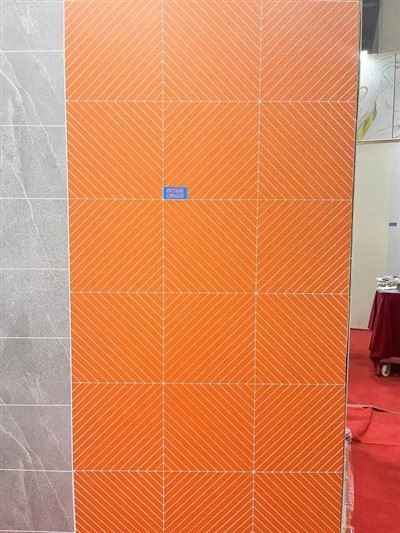
First, let’s cut through the jargon. Embossed PVC sheets are just rigid or flexible plastic sheets with texture pressed into them (think wood grain, faux leather, or even subtle geometric patterns) to mimic more expensive or harder-to-source materials. The “can I combine it?” question doesn’t have a one-size-fits-all answer, but it depends on two big things: what you’re pairing it with, and how you’re sticking them together. I’ve tested almost every common material over the years, and here’s the tea on what works—and what to skip.
Let’s start with the most common pairings, because that’s what 90% of my clients reach out about. First up: wood. It’s probably the number one combo, right? Furniture makers use embossed PVC to cover cheap particleboard or plywood to look like solid wood, and cabinet brands do the same for kitchen vanities. The key here is that PVC and wood are both pretty inert (meaning they don’t react to each other over time), so they stick way better than, say, PVC and foam. I’ve seen clients use everything from spray adhesive for thin, decorative pieces to construction-grade liquid adhesive for heavy-duty cabinet panels. The trick here is to make sure the wood surface is totally clean—no sawdust, no old polish—otherwise, the adhesive will fail, and your embossed PVC sheet will start peeling off after a few months. Pro tip: if you’re working with smooth plywood, a quick scuff with 120-grit sandpaper helps the adhesive grab better, no fancy tools needed.
Next: metal. Wait, PVC and metal? Yeah, that’s a thing—signage makers and retail display designers love this combo. Embossed PVC with a brushed metal texture paired with actual aluminum or steel makes a display that looks sleek but costs way less than solid metal. The catch here is metal is smooth and non-porous, so regular spray adhesive won’t cut it. I’ve had clients use two-part epoxy or heavy-duty contact adhesive for this, and it works like a charm. Just make sure you prime the metal first with a metal-specific primer—otherwise, the adhesive will slide right off the smooth surface. I once had a client who skipped this step and ended up with a whole stack of 2ft by 4ft PVC sheets sliding off their metal display frames, so trust me on this one.
Then there’s fabric. This one’s a bit trickier, but for upholstery, headboards, and custom craft projects, it’s worth the effort. Flexible embossed PVC sheets (not the rigid ones) pair great with cotton, polyester, or even felt for a faux leather look that’s way easier to clean than real leather. The best method here is to use a fabric-backed adhesive, because it’s stretchy enough to move with both materials, which prevents creases. I’ve used this for a custom headboard project where we paired embossed PVC with felt, and it held up for 3 years without peeling or cracking. The only downside? Don’t use heavy PVC sheets with fabric—they’re too stiff, and you’ll end up with bunching.
Now, what about materials you should avoid combining with embossed PVC? I get asked about foam all the time, and while it’s possible, it’s super hit-or-miss. Most foams are porous and soft, so the adhesive doesn’t bond well, and over time, the foam will compress, making the PVC sheet look wrinkled. I tried this once for a client making custom seat cushions, and we ended up having to go back and re-do half the project because the PVC started lifting. For that, it’s better to use a vinyl fabric instead of embossed PVC if you’re working with foam. Another no-go: some types of rubber. Soft, porous rubber will break down PVC’s adhesive over time, especially if there’s moisture. I learned this the hard way when a client tried to pair embossed PVC with neoprene for a weatherproof sign—after a year, the PVC had turned cloudy and started peeling. Lesson learned: stick to non-porous, rigid or semi-rigid materials if you want a long-lasting combo.
Now, let’s talk about why combining embossed PVC sheets with other materials is actually a game-changer, not just a “can I do this?” question. As a supplier, I’ve seen this combo open up way more use cases for PVC than just standalone panels. For example, small business owners use embossed PVC paired with wood for custom shelves that look rustic but are easy to wipe clean (no scratches from pots and pans). Retail brands use metal-backed PVC for signs that don’t rust, even if they’re outside. Even crafters use it to make custom wallets or phone cases—embossed PVC gives it texture, and pairing with fabric makes it soft to touch.
Wait, but let’s get real—there are common mistakes people make when combining these materials, so I want to call those out. First, using the wrong adhesive. I can’t stress this enough: spray adhesive for thin, light materials; epoxy for metal; fabric adhesive for soft stuff. If you use a carpet adhesive for wood, it’s going to be too sticky and leave residue when you need to peel, and if you use a delicate craft glue for metal, it will fall off. Second, ignoring the environment. If your combo is going outside, make sure you use an outdoor-rated adhesive and weather-resistant embossed PVC sheet. Regular PVC will fade in sunlight, so I stock UV-stabilized embossed PVC for outdoor projects, and that makes a huge difference. Third, not test-fitting. Always cut a small sample first, stick it, and let it sit for a day before doing the whole project. I’ve had clients jump into a big order only to find out the adhesive doesn’t work with their specific combination, and that’s a waste of time and money.
As someone who’s been in this game for years, I’ll also tell you that the best combos are the ones that play to each material’s strengths. Embossed PVC is durable, easy to clean, and cheap, so pairing it with a nicer material like solid wood means you get the look of wood without the cost and maintenance. Or pairing it with metal for a sleek, industrial look that doesn’t rust. The key is that neither material is better than the other—they’re just different, and combining them lets you get the best of both worlds.
I’ve also noticed a lot of new suppliers jumping into embossed PVC lately, so when you’re ordering your sheets, make sure you’re getting ones that are designed to pair with other materials. Some cheap embossed PVC is too thin or has a rough back that doesn’t take adhesive well, but the sheets I stock are manufactured with a smooth back for easy bonding, and we offer both rigid and flexible options depending on what you’re pairing them with. If you’re not sure which type to get, just tell me what you’re combining it with, and I can point you to the right one—no pressure, just helpful advice.
At the end of the day, can embossed PVC sheets be combined with other materials? Absolutely. It’s not just possible—it’s how a lot of small businesses and designers are creating products that stand out without blowing their budget. The trick is to pick the right material to pair, use the right adhesive, and test it out before committing to a big project.

If you’re working on a project and want to know what embossed PVC sheet would work best for your combination, or if you need a bulk order for a big job, feel free to reach out. I’m here to help with samples, advice, and whatever else you need to make your project turn out right. I don’t do hard sells—just straight talk, because I’ve seen too many clients waste money on the wrong stuff, and I want to help you avoid that.
PS Frame Moulding References: 1. Modern Plastics Association. “Adhesion Techniques for PVC Composites.” 2022. 2. Furniture Design Monthly. “Cost-Saving Material Combinations for Cabinetry.” 2021. 3. Signage Industry Magazine. “Outdoor PVC Applications and Adhesive Compatibility.” 2023. 4. U.S. Consumer Product Safety Commission. “Guidelines for PVC Fabric Combinations in Consumer Goods.” 2022.
Shandong Fanjie International Trade Co., Ltd.
As one of the most professional embossed PVC sheet manufacturers in China, we have world-leading production equipment and strong manufacturing capabilities. Please feel free to buy bulk high quality embossed PVC sheet from our factory. We also accept customized orders.
Address: L4-015 Cross border E-commerce Entrepreneurship Park, Lanshan District, Linyi City, Shandong Province
E-mail: info@lsdec.com
WebSite: https://www.fanzeradecor.com/
