If you’ve ever managed a process plant, refinery, food processing line, or chemical manufacturing facility, you know a shell-and-tube heat exchanger isn’t just a piece of equipment—it’s the quiet workhorse that keeps operations running smoothly. When one breaks down, the ripple effect hits production timelines, cuts into profits, and adds unnecessary stress. As a long-time supplier specializing in shell-and-tube heat exchangers, I’ve seen my fair share of damaged units, from small tube leaks that cause efficiency dips to catastrophic shell failures that force unplanned shutdowns. The good news is most damage isn’t irreversible—if you use the right repair method for the specific issue. Today, I’m breaking down the most common damage scenarios and the proven, industry-standard fixes we rely on to get units back up and running, no rush jobs or cutting corners involved. Shell-and-Tube Heat Exchanger
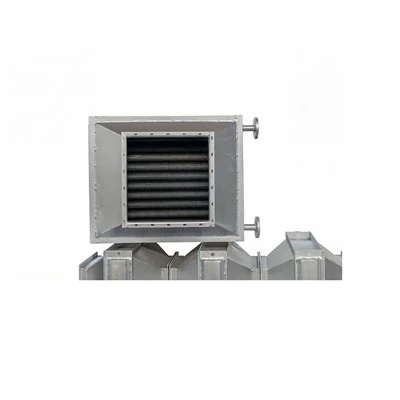
First, let’s get clear on why repairs matter so much here. A shell-and-tube heat exchanger works by transferring heat between two fluids—one flowing through the tubes, the other around them in the shell. Even a tiny leak or a slightly corroded tube can reduce heat transfer efficiency by 10% or more, raising energy costs and leaving your system prone to cross-contamination. Over 70% of heat exchanger downtime comes from tube-related issues, per recent industrial maintenance data, so that’s where we’ll start our deep dive.
The most frequent tube damage we encounter is tube leakage. Leaks usually stem from three causes: corrosion (pitting, general, or galvanic), vibration-induced fretting, or mechanical damage from fouling buildup. Let’s talk through the repair methods here. The first, and most straightforward for single or small numbers of leaking tubes, is tube plugging. This is exactly what it sounds like: you plug the damaged tube at both ends to stop fluid flow. We use two types of plugs, depending on the application—expansion plugs for low-pressure, low-temperature systems, which are tapered metal inserts that you drive or expand into the tube end to create a tight seal, and welding plugs for high-pressure or hazardous fluid applications, which are welded in place for a permanent, leak-proof bond. The catch here is that you can only plug up to 10% of the total tubes in a shell-side pass before you risk restricting fluid flow so much that it undermines the exchanger’s performance. If you hit that threshold, plugging isn’t a long-term fix—you’ll need to consider retubing or a full replacement.
Another common tube issue is vibration damage, which usually happens in high-velocity fluid systems, often when flow rates are too high or the exchanger wasn’t sized correctly for the process. Vibration causes the tubes to rub against support plates, creating tiny cracks (called fretting fatigue) that eventually lead to leaks. For mild fretting damage, we often do tube sleeving. This involves inserting a smaller, smooth tube into the damaged tube, securing it with a seal at each end. Sleeving not only stops leaks but also stiffens the tube to reduce future vibration, making it ideal for systems where you don’t want to shut down operations for long periods. We’ve used this on several refinery units that can’t afford extended outages—getting them back online in a fraction of the time it takes to retube full sets.
Corrosion is another big one, and it’s not just limited to tubes. The shell itself can suffer from general corrosion, pitting, or even erosion if the shell-side fluid carries particulates. For minor shell corrosion, spot welding and patch repairs work. First, we grind away all the corroded material until we reach solid, intact metal, then cut a matching patch from the same grade of stainless steel, carbon steel, or alloy as the original shell, then weld it in place. This is only for localized corrosion, though—if more than 20% of the shell wall is corroded, patch repairs won’t hold up under pressure and temperature, so shell replacement becomes necessary.
One less talked about but equally damaging issue is fouling. Fouling is when minerals, scale, organic buildup, or debris accumulate on tube walls, reducing heat transfer over time. It’s not exactly “damage” in the sense of a leak or crack, but it causes operational issues that lead to unplanned shutdowns. The repair here is cleaning, but not all cleaning methods work for every fouling type. For soft organic or light mineral scale, chemical cleaning with mild, industry-approved cleaners is effective—it dissolves buildup without damaging the tube or shell material. For hard, stubborn scale or debris packed deep in the tubes, we use high-pressure water jetting, which blasts away fouling at pressures high enough to cut through tough deposits but gentle enough to not scratch or etch the tube walls. For more severe fouling or when chemical and water jetting don’t work, there’s mechanical cleaning, which uses flexible brushes run through the tubes—this is more labor-intensive, but necessary for thick, compacted buildup.
Now, let’s talk about more serious damage that requires more extensive repairs: retubing. This is when you remove all the damaged tubes and replace them with new ones. Retubing is the go-to fix when more than 10% of tubes are damaged, or when you have widespread corrosion or vibration issues that multiple smaller fixes won’t resolve. The process starts with safely depressurizing and isolating the exchanger, then removing the tube sheets and old tubes. We carefully select new tubes that match the original alloy grade (or upgrade to a more corrosion-resistant alloy, if the root cause of damage was poor material selection) to ensure longevity. Once the new tubes are in place, we expand them into the tube sheets and test for leaks to make sure the seal is tight. Retubing is often a more cost-effective option than full unit replacement, especially for older, high-capacity exchangers that are custom-fit to your process.
Wait, but what if the tube sheets—those thick metal plates that hold all the tubes in place—are damaged? Tube sheet issues are less common but way more serious. Corrosion, erosion, or cracking in the tube sheet can compromise the entire unit’s structural integrity. For minor tube sheet pitting or corrosion, we do tube sheet repair: we grind away the corroded areas, then weld in material to build up the surface, then machine it back to the original dimensions so the new tubes fit perfectly. If the tube sheet is severely cracked or eroded beyond repair, that’s when we consider a tube sheet replacement or, in some cases, full exchanger replacement.
I want to be clear here: not every repair is the same, and the worst mistake I see plant teams make is trying to apply a one-size-fits-all fix. For example, using tube plugging for a leaking tube in a high-pressure steam exchanger is a recipe for a catastrophic leak, because the plug won’t hold up to that kind of stress. Or using chemical cleaning on a sensitive food-grade heat exchanger with organic fouling can leave harmful residues, so high-pressure water jetting is the only safe option there. That’s why working with a supplier that understands both the science of heat exchangers and your specific process is so important.
Over the years, we’ve built our reputation on helping clients navigate these repairs, not just selling them new units. Last year, for example, a small chemical plant called us in when they had a 20-year-old heat exchanger that had 12 leaking tubes. Our team assessed the unit, confirmed that plugging the leaking tubes and adding vibration dampeners to reduce future fretting would work (since only 3% of tubes were damaged), and we had the unit back up and running in 48 hours, at a fraction of the cost of retubing. A few months before that, a refinery had a unit with 18% of tubes damaged by corrosion—retubing was the only viable option, and we customized new Hastelloy tubes (more corrosion-resistant than the original carbon steel) to extend the unit’s lifespan by another 10 years.
I also want to address a common myth: some plant teams think that repairing a heat exchanger is only a temporary band-aid, and that full replacement is the only long-term solution. That’s simply not true when you do repairs correctly, address the root cause of the damage, and use materials tailored to your process. For example, if corrosion was the issue, upgrading tube material from regular carbon steel to a duplex stainless steel (which is more resistant to chloride corrosion, a common problem in process plants) during retubing makes the repair permanent, not temporary.
Safety is another non-negotiable here. Any repair work on a shell-and-tube heat exchanger has to follow strict OSHA standards and industry codes for pressure equipment. That means all welding is done by certified professionals, leak tests are performed with hydrostatic pressure (using water at 1.5 times the operating pressure of the unit) to ensure seals hold, and all old materials are properly disposed of according to environmental regulations. Cutting corners on safety during repairs can lead to failed units, downtime, and even serious incidents, so we never skip those steps.
Now, when is it time to stop repairing and replace? There are clear signs: if more than 30% of the exchanger’s tubes are damaged, the shell or tube sheet has major structural cracks, or the unit is so old that replacement parts for repairs are no longer available. In those cases, a new shell-and-tube heat exchanger is more cost-effective in the long run, even if the upfront cost is higher, because it will have better efficiency, lower maintenance needs, and a longer lifespan.
At the end of the day, whether you’re dealing with a small leak that needs a plug, widespread corrosion that needs retubing, or a shell patch that needs welding, the key is to act fast at the first sign of damage. Waiting for a small issue to turn into a catastrophic failure leads to weeks of downtime, thousands of dollars in lost production, and even more expensive repairs.

If your shell-and-tube heat exchanger is acting up, or you have questions about what repair method is right for your unit, I’m here to help. We can come to your facility for a full inspection, assess the damage, and give you a clear, honest recommendation on whether to repair or replace, without pushing you into a more expensive option you don’t need. Don’t let a damaged workhorse slow down your operations—reach out to us today to discuss your heat exchanger needs.
Spiral Plate Heat Exchanger References
- Industrial Maintenance and Plant Operations Magazine, 2023 Heat Exchanger Repair and Replacement Best Practices
- Tubular Exchanger Manufacturers Association (TEMA), 10th Edition: Standards for Shell-and-Tube Heat Exchangers
- NACE International, Corrosion Control for Heat Exchanger Systems, 2022 Update
- OSHA Standards for Pressure Equipment Repair and Maintenance, 2021
Jiangsu Huanyang Equipment Technology Co., Ltd.
As one of the most professional shell-and-tube heat exchanger manufacturers and suppliers in China, we have world-leading production equipment and strong manufacturing capabilities. Please feel free to wholesale customized shell-and-tube heat exchanger made in China here from our factory. Contact us for pricelist.
Address: Room 20D, No.18 Dingxiang East Road, Wuxi City, Jiangsu Province, China
E-mail: myj-huanyang@126.com
WebSite: https://www.hy-equip.com/
